Your Daily Nature Activity Guide
Simple, adaptable frameworks for making outdoor movement a natural and enjoyable part of every day — for any schedule, setting, or starting point.
How to Use This Guide
This guide is designed to be a practical companion — not a rigid program. The goal is to help you identify realistic entry points for outdoor movement within your existing daily structure, then expand that practice naturally over time. You can start anywhere in the guide that resonates with your current situation.
Walking: The Foundation
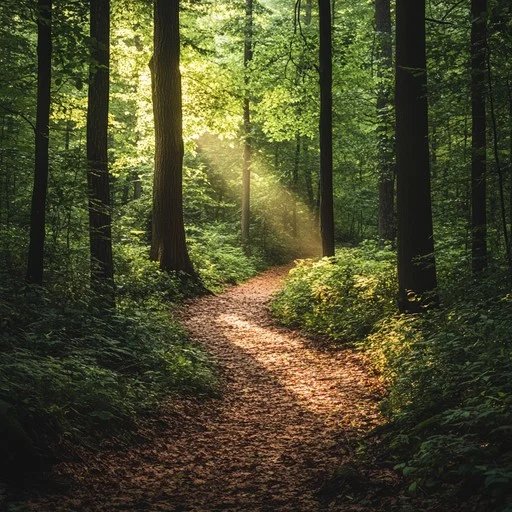
Walking is the most universal and flexible form of outdoor movement. It requires no equipment beyond comfortable shoes, no training, and no particular fitness level. It can be a few minutes around the block or a multi-hour trail exploration — and everything in between counts.
Beginner Framework: The 10-Minute Anchor
If you are new to consistent outdoor activity, start by choosing a single daily moment to walk for exactly 10 minutes. The time of day matters less than the consistency. Morning, lunchtime, and early evening are all popular anchors.
- Week 1–2: 10 minutes every day, same time slot
- Week 3–4: Extend to 15–20 minutes if it feels natural
- Month 2: Add a second short walk or extend to 30 minutes
- Ongoing: Adapt to seasons and schedule without guilt about variation
Intermediate: Exploring New Routes
Once daily walking is established, variety becomes a motivating force. Map local parks, greenways, and neighborhood routes you have not tried. Novelty in landscape keeps the practice engaging over weeks and months.
Cycling: Explore Further
Outdoor cycling extends your range and offers a different quality of engagement with the environment. Whether on dedicated bike paths, park roads, or quiet neighborhood streets, cycling brings a sense of flow and freedom that is distinctive and deeply enjoyable for many people.
Getting Started with Outdoor Cycling
You do not need a high-performance bicycle or specialized gear to enjoy outdoor cycling as a lifestyle activity. A comfortable, well-maintained bike and a safe helmet are the essentials. Many cities now offer bike-share programs that provide low-commitment entry points.
- Begin with short flat routes of 15–20 minutes to build comfort
- Use designated bike lanes and paths wherever available
- Ride at a conversational pace — you should be able to speak comfortably
- Explore one new route per week to sustain interest and discovery
Integrating Cycling into Daily Life
Many people find that replacing car or transit trips with cycling — even just once or twice a week — builds outdoor movement naturally into the structure of their day rather than requiring separate time allocation.
Outdoor Stretching and Mobility
Gentle stretching and mobility work performed outdoors complements more active movement and can stand alone as a valuable outdoor practice. A park bench, a patch of grass, or an open outdoor space is all that is needed.
A Simple Outdoor Mobility Sequence
The following sequence takes approximately 10 minutes and can be performed before or after a walk or as a standalone outdoor practice. It requires no special equipment and is adaptable to a wide range of physical starting points.
- Neck rolls (1 min): Slow, gentle circles to release upper-body tension accumulated from sitting or screens.
- Shoulder circles (1 min): Arms extended, rotate forward and backward to open the chest and upper back.
- Standing hip circles (2 min): Hands on hips, gentle circular motion to mobilize the hip joints.
- Forward fold (1 min): Gentle bend from the waist, knees soft, hanging naturally to lengthen the back.
- Side stretches (2 min): Stand tall, reach one arm overhead and lean gently to the opposite side. Alternate.
- Ankle circles and calf raises (2 min): Seated on a bench or standing, rotate ankles and rise onto toes repeatedly.
- Stillness (1 min): Stand or sit quietly, breathe naturally, and take in the surroundings.
Adapting to the Seasons
One of the most rewarding aspects of a year-round outdoor lifestyle is the way each season offers a different quality of experience. Rather than treating cold, rain, or heat as obstacles, experienced outdoor movers tend to approach seasonal variation as a natural part of the practice's character.
Spring and Summer
Longer daylight hours and mild temperatures make spring and summer the easiest seasons for building outdoor habits. Early morning or late evening movement is particularly pleasant during warm months, avoiding peak heat while enjoying the freshest air and most peaceful outdoor spaces.
Autumn and Winter
Cooler seasons reward preparation: appropriate layering, waterproof footwear, and lighter-colored or reflective clothing for early mornings or evenings. Many people find autumn walking especially appealing — the combination of crisp air, seasonal color, and reduced crowds on trails creates a distinctly beautiful outdoor environment.
Winter outdoor activity requires a modest investment in warm, wind-resistant layers but can be deeply invigorating. The quiet of snow-covered parks or frost-edged paths offers a different kind of beauty and a sense of accomplishment in continuing the practice year-round.
Disclaimer: All materials and practices presented are for educational and informational purposes only and are intended to support general well-being. They do not constitute medical diagnosis, treatment, or advice. Before applying any practice, especially if you have chronic conditions, consult a qualified healthcare professional.